Small Backyard Garden Ideas: How to Grow More with Less
In this post, we’re going to break down small backyard garden ideas, from deciding what to grow to maximizing the space you have.
This post may include affiliate links, as an Amazon Associate I earn a small commission from qualifying purchases.
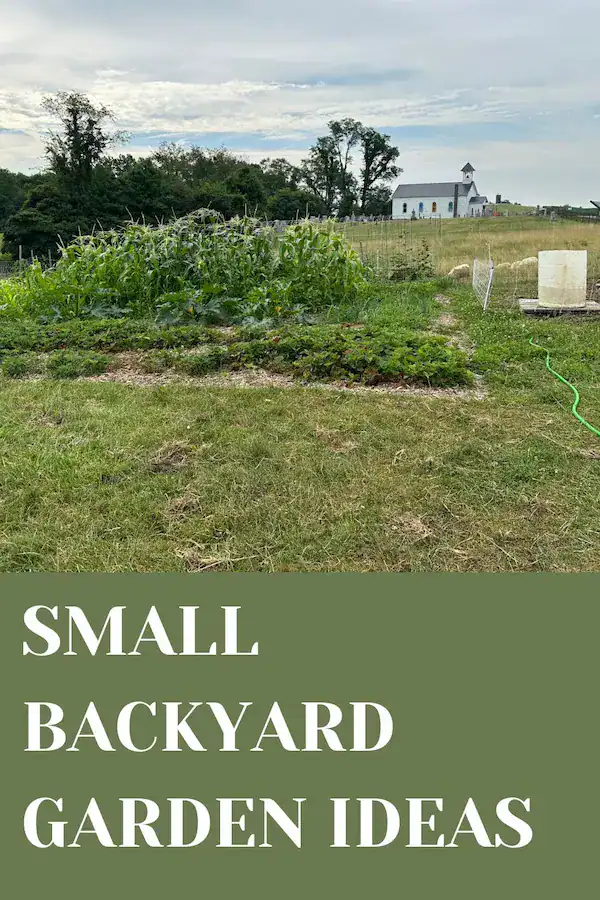
Whenever friends come to my home and see my garden they’re often overwhelmed with its size. The interesting part is that I’ve run out of room! From the beginning, I’ve been very intentional to maximize the space I’ve had. However, most people want the benefit of a few homegrown things, without sacrificing a huge section of their yard and this is super doable!
I encourage you to start small. You don’t want to bite off more than you can chew your first year, and the last thing I want is for you to quit after year one! However, starting as soon as possible is how you will learn and build your experience and confidence. Whether you only have room for a few pots, or for a few raised beds, or a full sized garden, let’s explore the ways we can maximize the space we have as well as the ideal plants for the job.
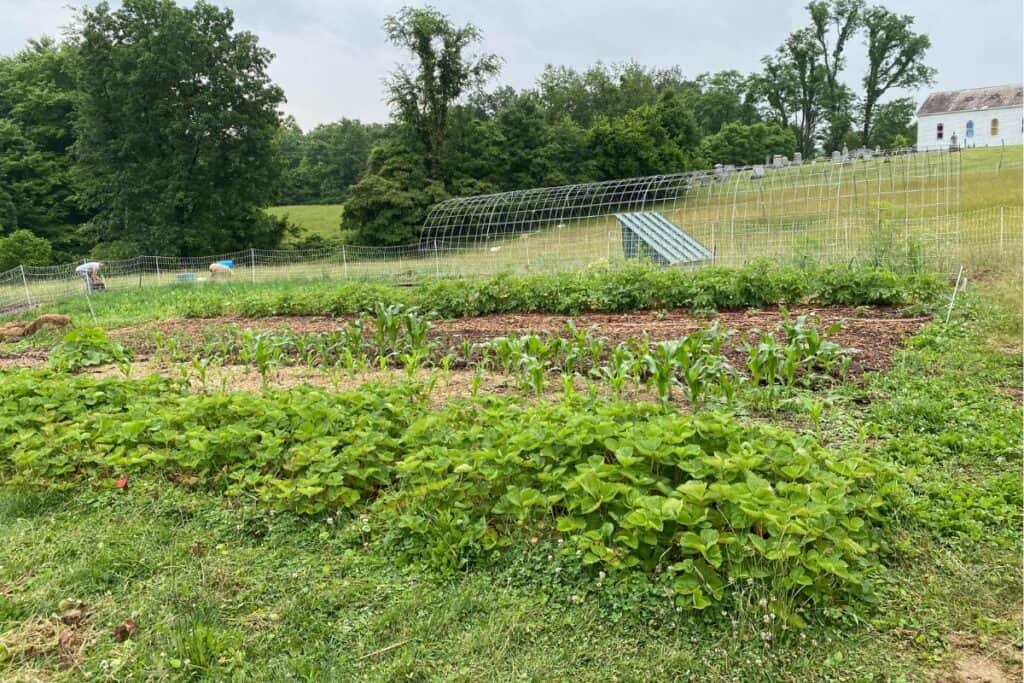
An introduction to square foot gardening
Mel Bartholomew is the one who first came up with this way of organizing your garden space, and honestly, it’s brilliant. Essentially, you create square raised garden beds and divide into square foot sections. Then, you build out your planting from there. This method is especially great for backyard small gardens because you can succession plant, which means to plant small amounts steadily so you have a perpetual harvest over several weeks. If you’re a reader, I really recommend reading his book.
To fully put this into practice you’re going to need raised beds or square plots in the ground. It’s easier to construct beds than to till the ground and keep the encroaching grass and weeds at bay. However, that goes beyond the purview of this post. We’re going to stay on topic!
One of the reasons square foot gardening works in backyard settings is because of companion planting. This simply put is the pairing of plants that benefit or like each other. It is super advantageous! Companion planting can reduce pest problems and boost the productivity of the space.
Of course, just because you have a small space doesn’t automatically mean you have to companion plant. It is an effective way to save space, but there’s another thing to consider as you sketch your plans. And that is, what do you eat? There’s no point at all in having a small backyard garden if you’re not going to grow something you’ll actually eat, am I right??
Why bother with a small backyard garden at all?
If you’re in the middle of a strenuous survival season, I would encourage you to still grow something. A potted flower, or window sill herbs. Something simple that is put in your every day path that you can tend to.
Maybe you’re in a season of littles and it seems like they destroy more than they help. I’ve been there. Goodness, I’m still there. But, if we waited until things weren’t hard would we ever do anything? It is in the face of opposition that we grow. So much of gardening is a spiritual metaphor for us. The Lord made it so.
I’m preaching to myself here as much as I am to you, friend. However, what I return to over and over again is the lessons my children learn from working in the garden. We have a mixture of bigs and littles now and planting, mulching, and harvesting is a full blown family affair. It’s expected for everyone to help and often the littles follow around for a bit then go play, that’s fine. But we all contribute.
Family time is so precious in these fleeting years of raising them. We strive to create opportunities for memories and fun just as much as we work together. Let’s be honest though, everyone wants to help harvest the strawberries. No one volunteers to weed. Haha!
If you think you have the capacity to grow something, anything this year, do it. You won’t regret it!
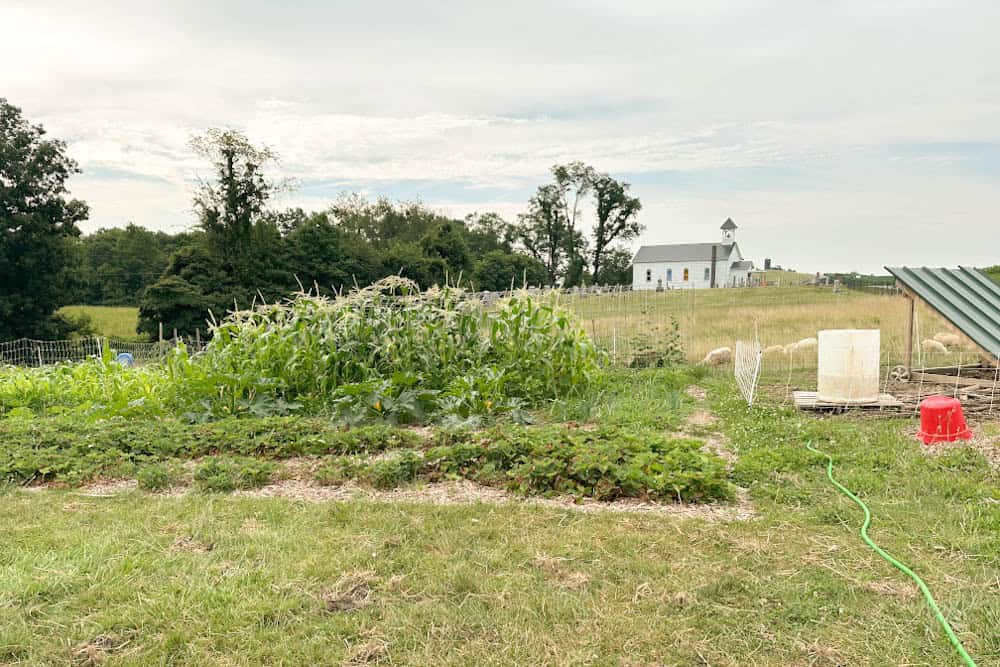
Grow what you eat
Take note of what you typically buy at the grocery store that could easily be grown in the warmer months. Usually people will choose tomatoes, for example, because they’re used in so many things such as: pasta sauce, salsa, ketchup, and sandwiches. Did you know tomatoes can be grown alongside most ingredients for pasta sauce? Basil, parsley, garlic, sage, cilantro, are all friendly with tomatoes!
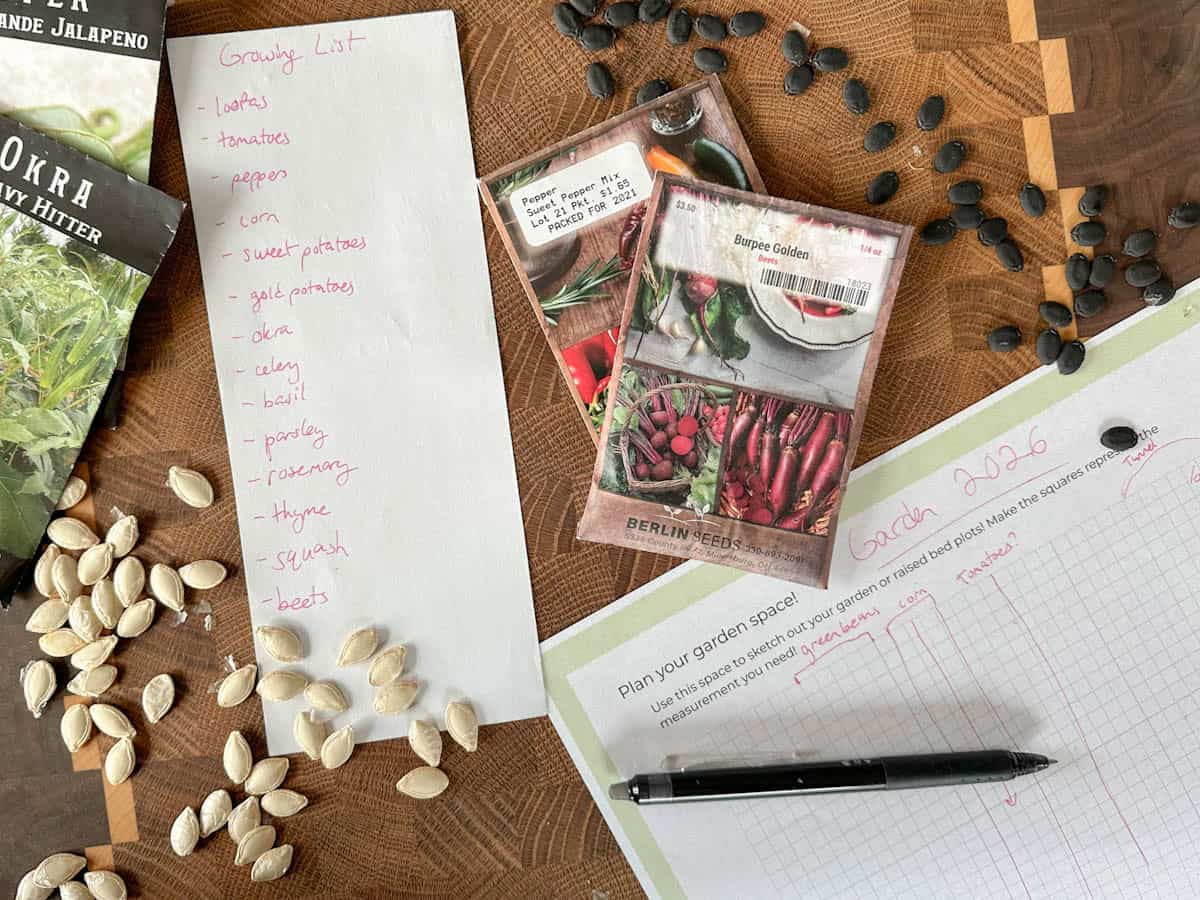
If your head is starting to swim, don’t worry. I created a special free planner for you below! It covers companion planting, common plant spacing, and even includes a page dedicated for sketching out your space that you can print extra copies of.
Seriously, there’s something so exciting about walking out to the garden and bringing in your first tomato or your first zucchini. Nothing inspires me more to get to cooking something delicious. It’s a satisfaction that only comes from working with the earth to produce delicious food. I truly believe we’re wired to cultivate and garden.
Ideal plants for the small backyard garden
When it comes to plant spacing, be sure to download my free garden planner to have common plants and their spacing readily accessible when you’re putting your garden in! In the meantime, here are lots of different vegetables that can easily go into small spaces.
- Lettuce
- Kale
- Spinach
- Radishes
- Beets
- Garlic
- Herbs
- Strawberries
- Cabbage
- Cauliflower
- Broccoli
- Carrots
- Pole beans
- Peas
- And more!
Don’t forget to add beauty!
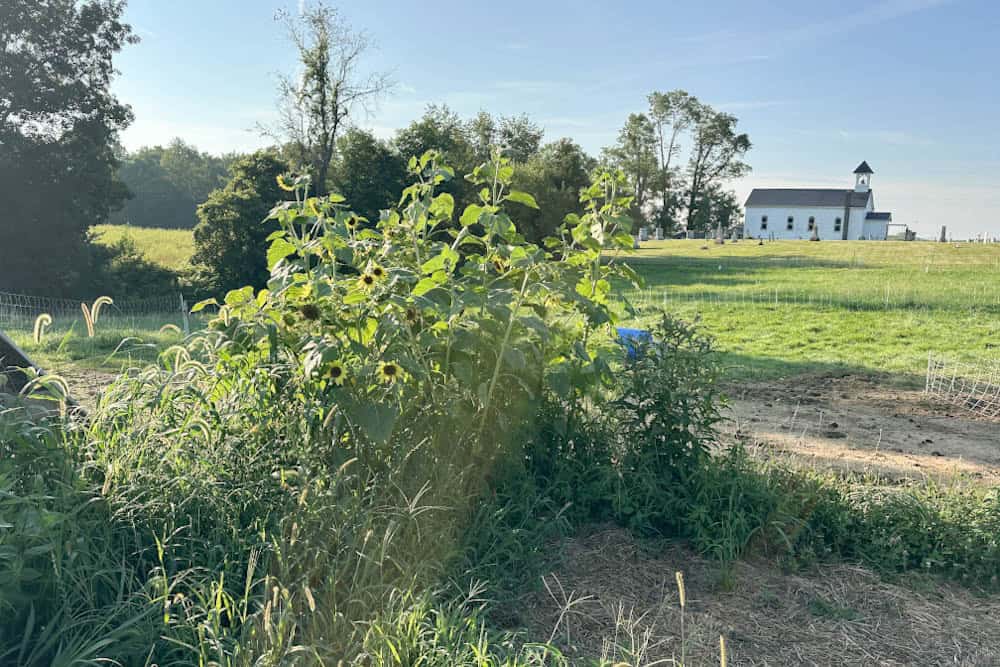
Beyond practicality we need to remember to add beauty too. While gardens in their own right are beautiful in the growing season, there’s nothing wrong with adding a little extra delight to the eyes. Though we’ve never attempted it, I love the idea of beans or peas climbing in a tee-pee! One year, we bordered our garden with sunflowers and zinnias– it made my daughter and I so happy each time we walked out there.
Landscaping your backyard with flowers or even including them in your beds in strategic places is a wonderful way to beautify your space! Chamomile and calendula have health benefits when harvested, and other flowers like marigolds or nasturtiums repel pests! Not to mention flowers attract the pollinators necessary for growing vegetables. It’s worth making some room. The butterflies and bees will thank you!
What will you grow in your small backyard garden?
Summing up, you can do so much in a small space. It’s all about adapting to your specific circumstances and maximizing the space where possible. I encourage you to set out to grow something this year just for the experience of it.
I’ve mentioned it a few times now but you simply must nab this free garden planner. You can read more about it here. It’s loaded with helpful charts and information to help you be intentional and start off well. Create some memories this year and get your hands dirty!